Getting stuck in an elevator is one of those experiences everyone dreads, but the truth is surprising: almost always, an elevator that suddenly stops has done exactly what it was designed to do. It stopped on purpose, because it detected something outside the range it expected, and the safety system chose to stop rather than take a risk.
But even if it is the safe thing to do, there is no doubt it is very annoying. An elevator that gets stuck again and again can be a real headache for residents. The good news is that almost every cause of a stuck elevator is fairly easy to prevent. Let's dive in.
It usually happens for one of the following reasons:
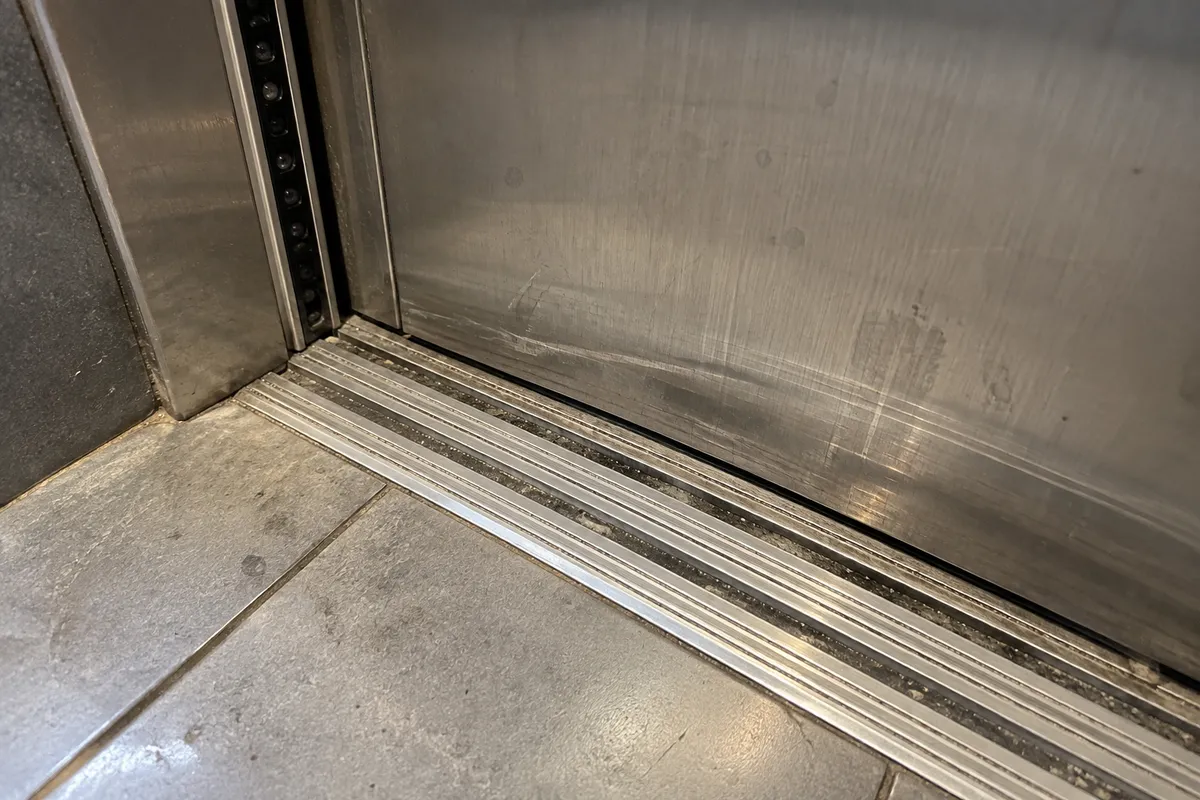
Door faults
The part that moves the most, so it also breaks the most.
A dirty or misaligned sensor, debris that fell and got stuck in the door tracks, a door lock that didn't close properly: any of these can make the elevator detect that the door hasn't closed. And when the elevator isn't sure that every door is closed and locked, it simply refuses to move. Be careful not to lean on the doors or bang on them, since that can also cause the elevator to get stuck. And when the floors are being cleaned, it's important to ask the cleaner to wipe the elevator tracks with a dry cloth too, and to keep water away from the door.
Power outages and voltage fluctuations
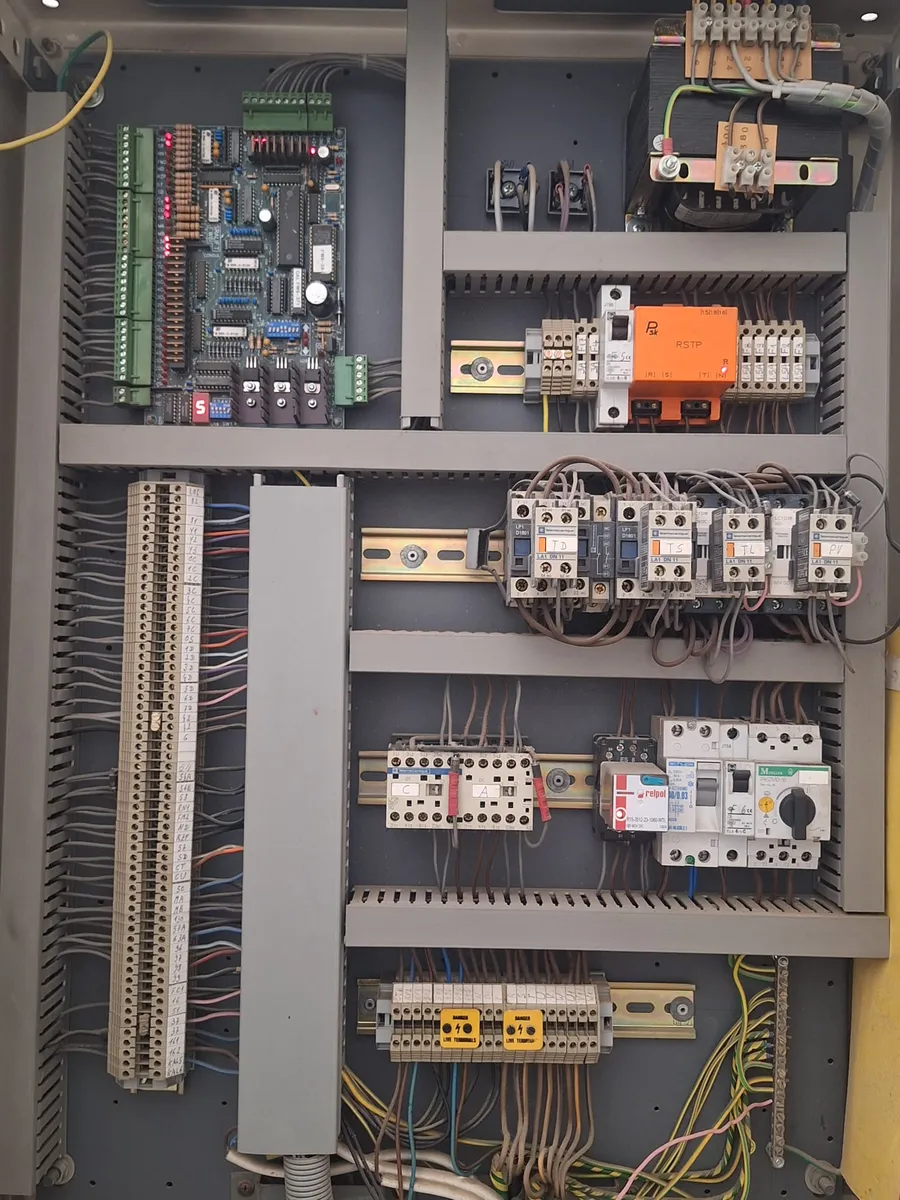
No power, no ride.
This is probably the best-known cause. When the building loses power, some of the elevator's systems shut down, and instead of continuing its trip it stops immediately and goes into a safe mode. Voltage spikes, blown fuses or a tripped breaker can do exactly the same thing. Many modern elevators have an emergency mechanism that brings the car down to the nearest floor and opens the doors, but when there isn't one, you simply wait for the power to come back or for a rescue. Once power is restored, some elevators resume operation automatically, while others need a technician.
Overload
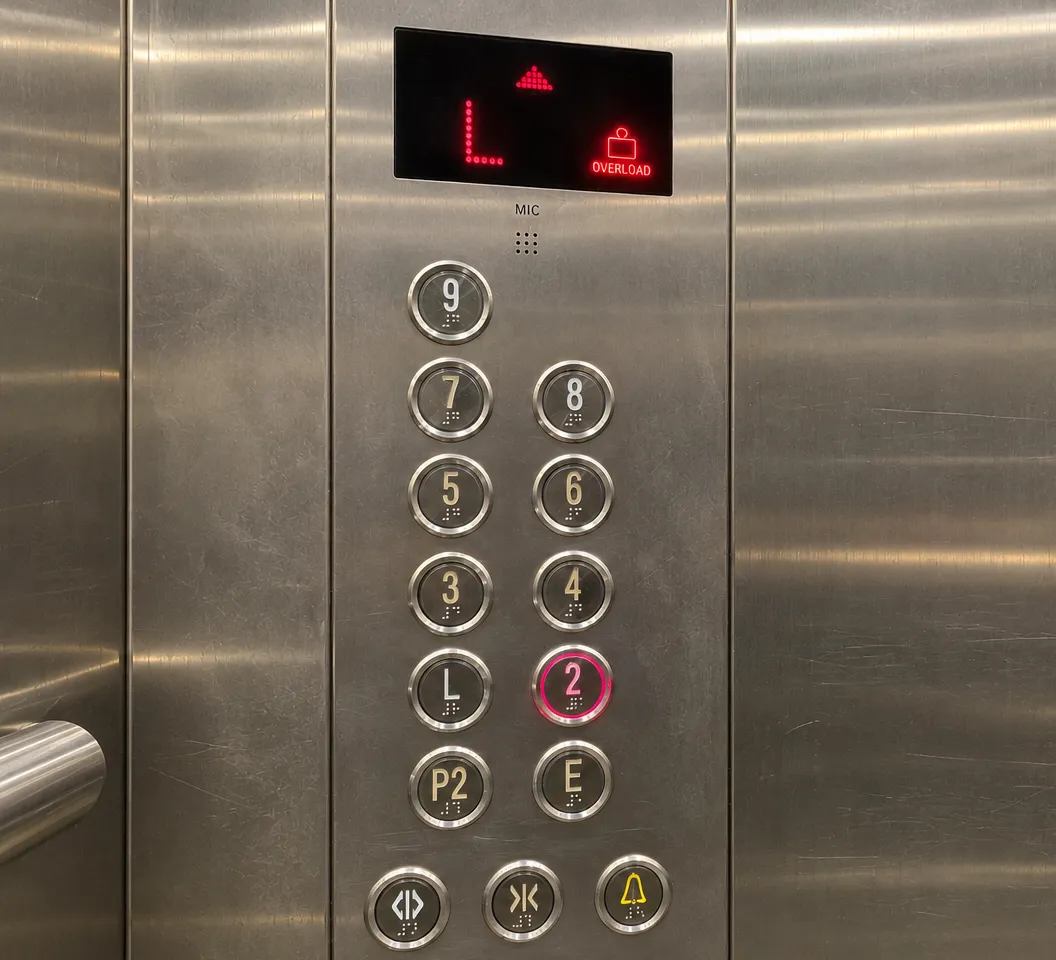
When did you last step on a scale?
Every elevator has a maximum permitted load, and a load-weighing sensor that compares the permitted load with the actual load. If you thought one more passenger wouldn't make a difference, you were probably wrong. The elevator will beep, refuse to close its doors, and won't move an inch until someone steps out. This isn't a fault, it's a system working exactly as intended to keep you safe.
Controller or software faults
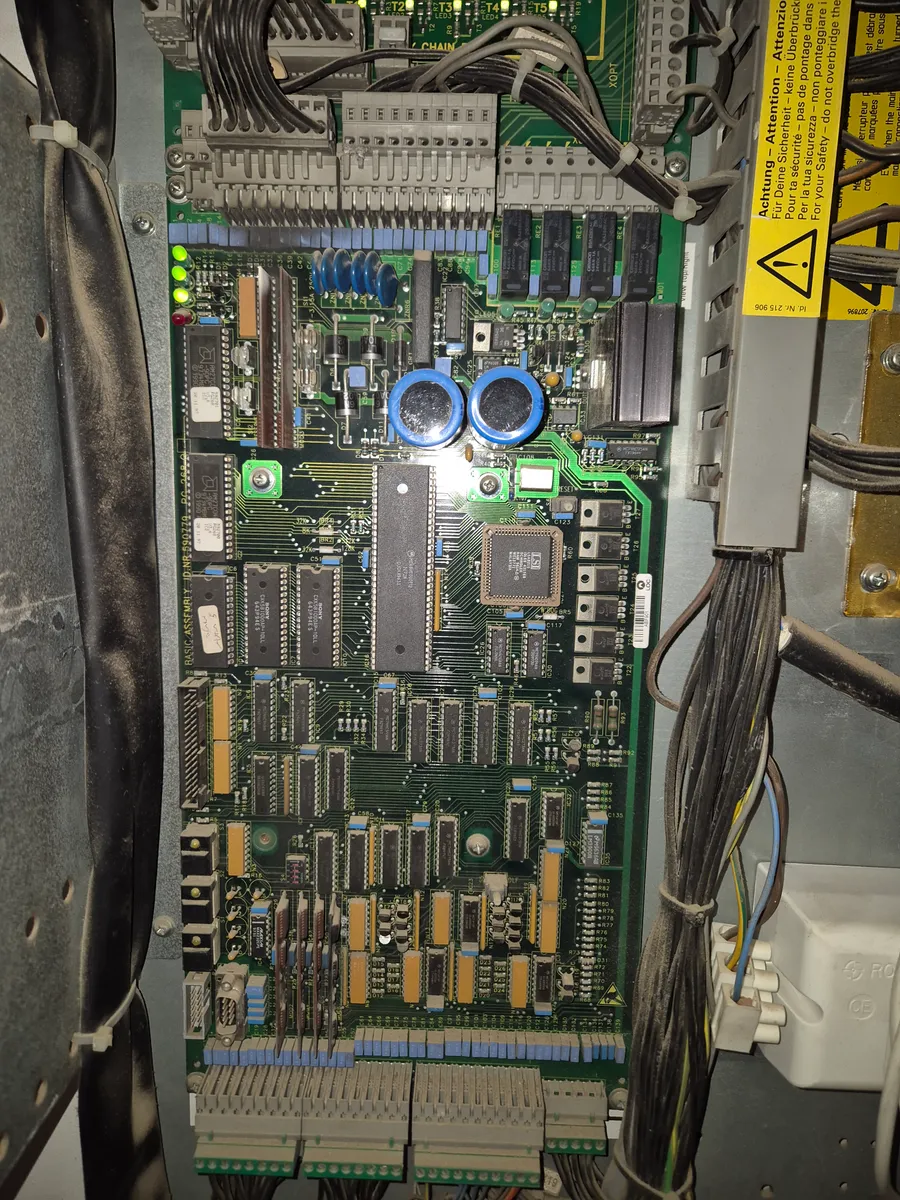
Even the elevator's brain has its off days.
The controller is the brain of the elevator, and like any computer it can run into a bug. A sudden reset, a communication failure between components, or outdated software can all cause the elevator to get stuck or behave in unexpected ways. A restart or an update usually solves it, but an old controller that becomes less and less reliable is a sign it should be dealt with before the problem gets worse.
Overheating
Elevators, like the rest of us, don't like working hard in the heat.
In the summer heat, a poorly ventilated machine room can turn into an oven, and the heat harms both the motor and the sensitive electronic components. In hydraulic elevators this is especially critical, because heat changes the viscosity of the oil and with it the way the elevator rides, but even a regular electric elevator monitors the temperature of the motor and the controller, and everything will stop if that temperature is exceeded. Running an elevator in Shabbat mode (see The Shabbat Elevator), where it runs continuously for long hours without a break, generates much more heat than usual and significantly increases the chance of overheating. So it is best to run the elevator in Shabbat mode only during the hours it is actually needed.
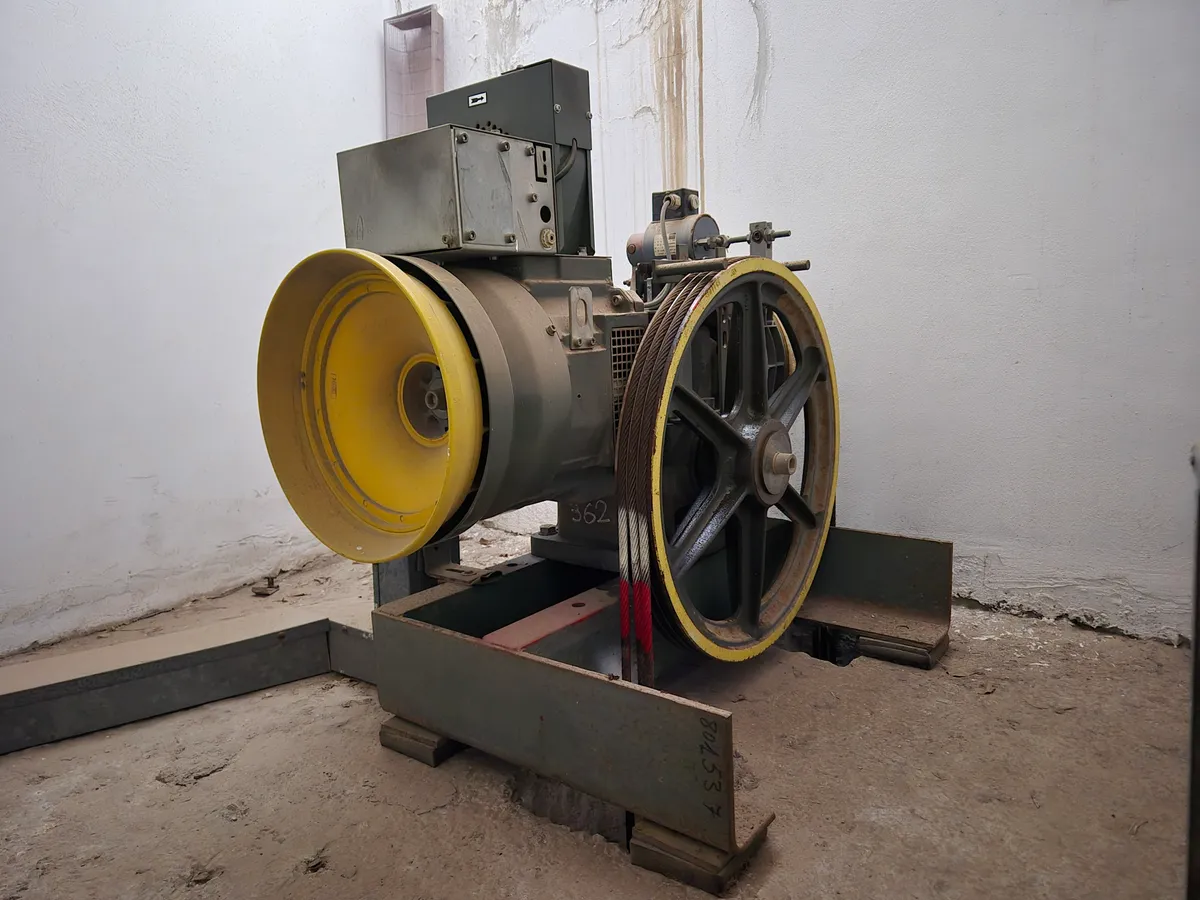
Wear of mechanical components
Nothing stays new forever.
An elevator runs non-stop for years on end, and just like our cars, its components wear out along the way: sheaves, ropes, bearings and guide rails. At first this shows up as a slight vibration, a squeak or a less smooth ride, and if it's ignored, it progresses to actual stoppages. The early warning signs are almost always there before the breakdown; someone just needs to listen to them.
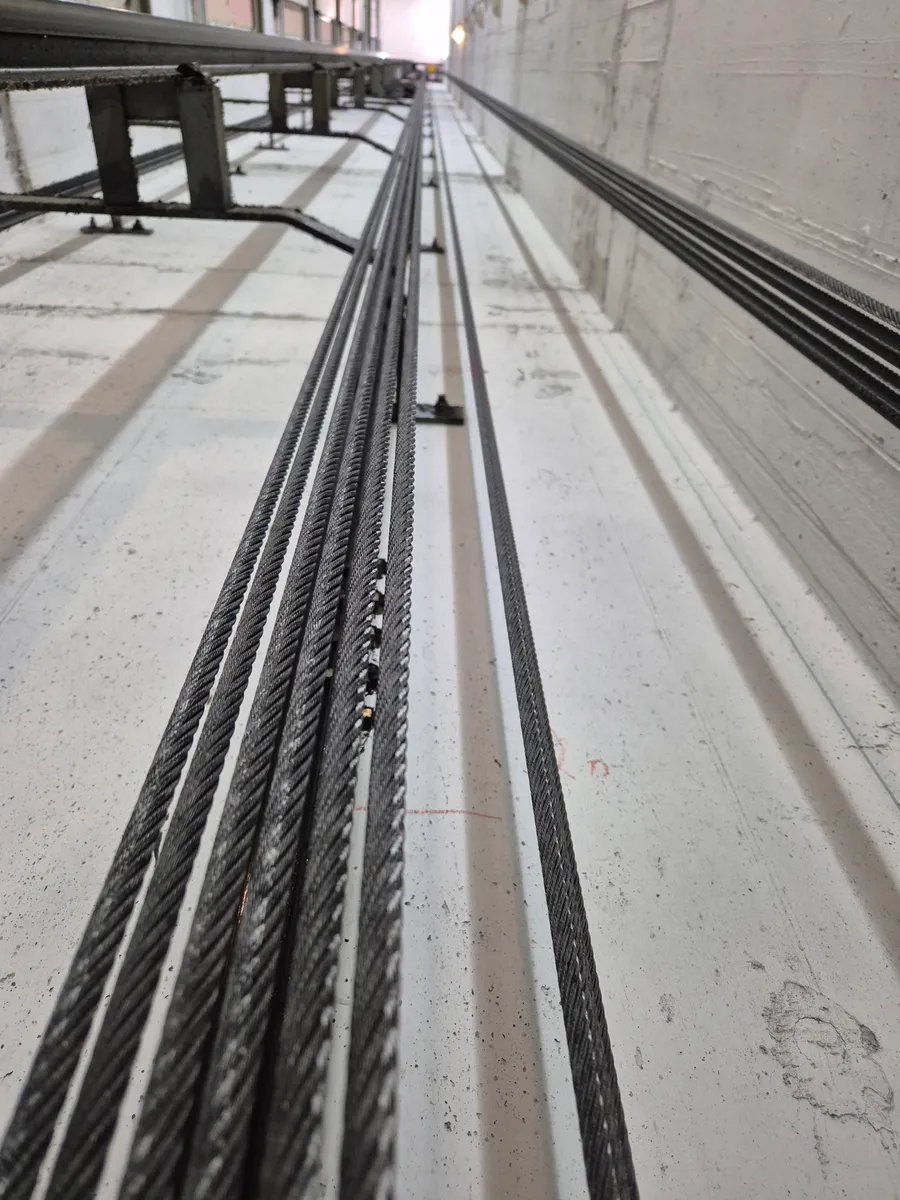
A fault in the safety chain
One weak link is all it takes.
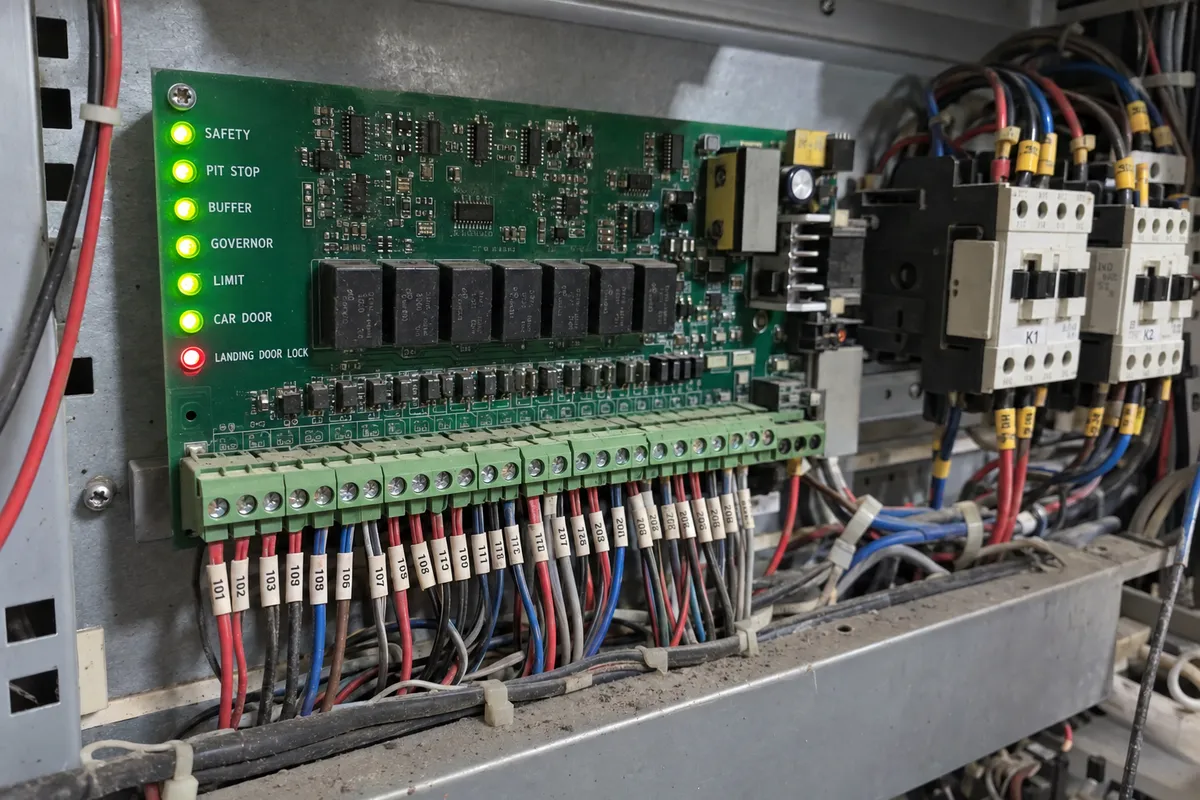
Every elevator has a safety chain, a series of contacts and sensors connected in series, and all of them must be closed for the elevator to get permission to move. Each one protects against a different risk: the door locks on every floor, the load-weighing system, the electrical contact of the overspeed governor, the limit switches at both ends of the shaft, the buffer switches and the stop switch in the pit. They all report constantly to the safety circuit board and the controller. If even one contact opens, whether because of a real hazard or because it is worn, loose or dirty, the whole chain is broken and the elevator stops immediately. These sensors and contacts are spread out along the entire length of the shaft, so fixing this kind of fault requires precise diagnosis.
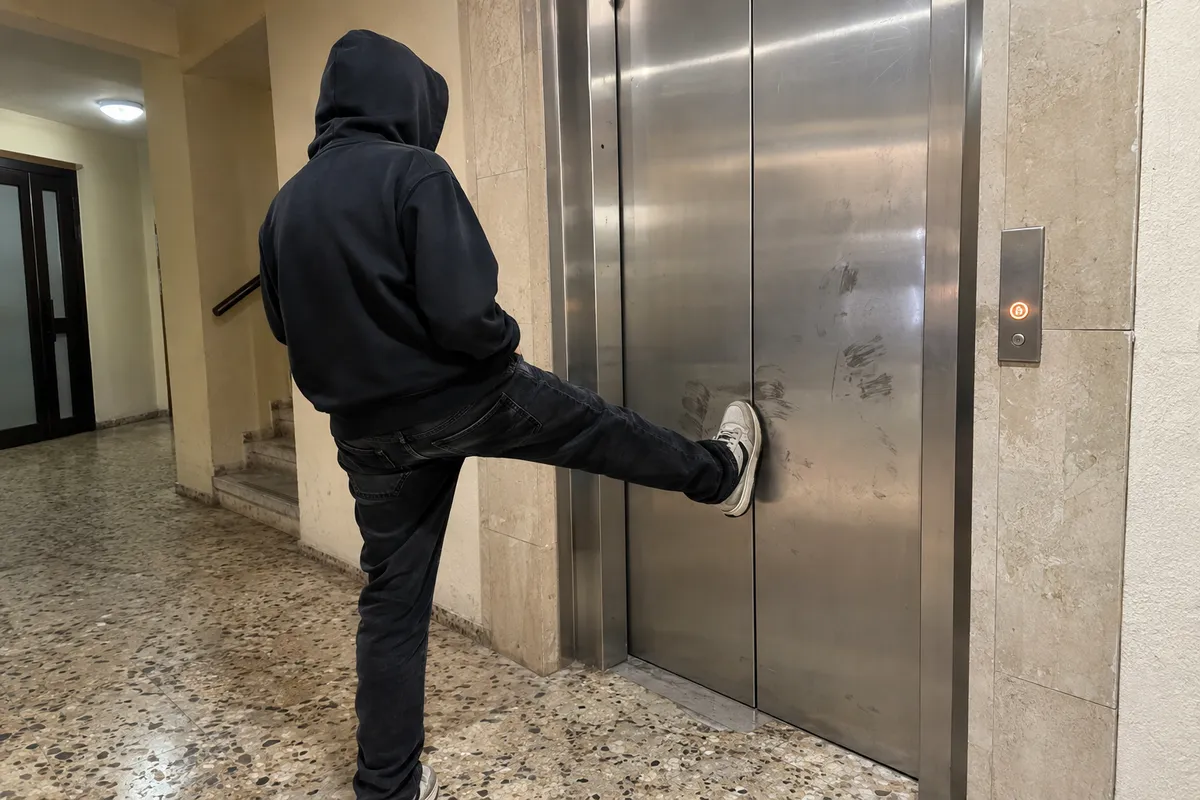
Vandalism and misuse
Elevators put up with a lot.
People leaning on the doors with all their weight, kicking them, banging on them, trying to force them open or standing in the way so they can't close, jumping and rocking inside the car, or pounding on the button panel: all of these wear down the system and speed up breakdowns. Some stoppages are really the elevator protecting itself from use that endangers it, and you. Treating the elevator well truly extends its life.
Water, humidity and flooding
Water and electricity, a bad combination.
At the bottom of the shaft, in the pit, there are electrical components and sensitive safety contacts. Water that gets in there, from winter rain, a leaking pipe or a pit whose waterproofing has cracked, can cause a short circuit that shuts the elevator down immediately. Although repairing this kind of fault can be complicated, diagnosing it is fairly simple. But when humidity and water seep in slowly and invisibly, they can cause gradual corrosion that damages components over months and even years, and faults start to appear long after the water has dried. This is one of the hardest faults to diagnose, because the cause and the effect can be far apart in time, and tracking it down can be long and complicated.
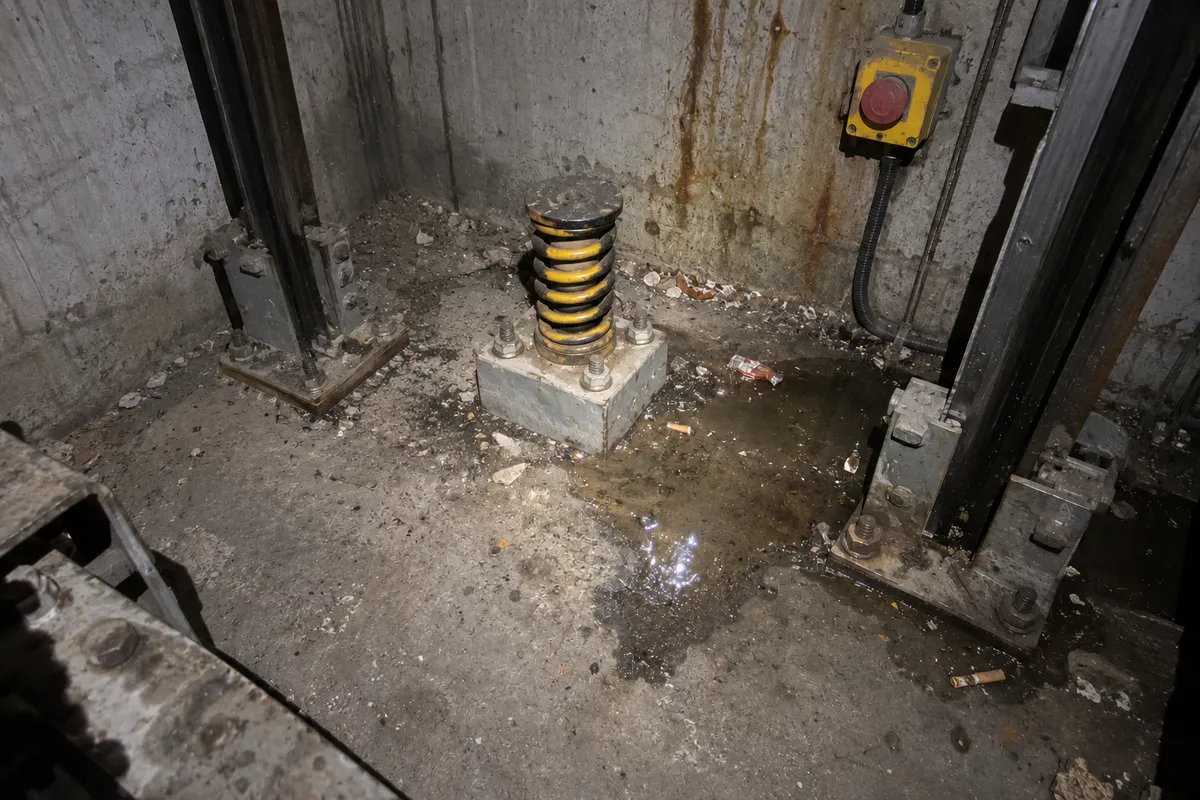
Noticed something?
Almost every cause on the list leads to the same thing: maintenance. A misaligned door sensor, oil that overheated, a worn component, a controller that wasn't updated: it is almost always something that could have been caught and dealt with long before the elevator stopped with people inside.
Elevators don't just get stuck for no reason. They get stuck when people stop listening to them and stop giving them what they need.
Frequently asked questions about stuck elevators
Why do elevators get stuck?
Is getting stuck in an elevator dangerous?
What should you do if you get stuck in an elevator?
Why does our elevator keep getting stuck?
How often should an elevator get stuck?
One thing determines how often your elevator will get stuck: who takes care of it
A good service company doesn't wait for the elevator to stop. It spots the early warning signs and deals with them first, so the fault never happens at all. At Korsia, that is exactly what we have been doing since 2000: preventive maintenance according to the manufacturer's instructions, a fast response at any hour, and a lot of attention and love for your elevators. Fewer faults, and fewer people stuck.